What to check before booking a dune buggy ride in Dubai
Booking a dune buggy ride sounds simple until the details start to matter. The Dubai desert can be a great place for an off-road vehicle, but conditions, rules and personal comfort all shape the day. Before paying for a slot, it helps to look past the photos and check what the ride actually involves. A little care at the booking stage can prevent mismatched expectations, wasted time and unnecessary risk.
The main points are practical ones: who can drive, what is included, where the vehicle will be used, and how the day is managed. None of them need specialist knowledge. They just need clear answers before you commit, especially when several people are travelling together or the booking is part of a wider desert safari.
Driver requirements and licence rules
Start with the basics of who is allowed to drive. Requirements can vary by operator and by the type of off-road vehicle, so ask directly rather than assuming that a normal driving licence is enough. The vehicle may be powered and steered differently from a family car, and some rides use a two-seat design with controls that take a short period of adjustment.
If one person plans to drive and another wants to join as a passenger, confirm the seating arrangement before the booking is confirmed. Ask whether passengers need to be a certain age, whether children can ride, and whether there are height or weight limits. These details matter because a booking that looks fine for a group can become awkward on the day if one traveller is not eligible.
It is also worth asking about driving experience. A beginner may be comfortable on open sand with clear guidance, while someone used to off-road routes may want a longer or more technical route. Be honest about the least experienced driver in the group. That answer helps avoid putting someone in a situation that feels rushed or beyond their confidence.
What the vehicle and equipment include
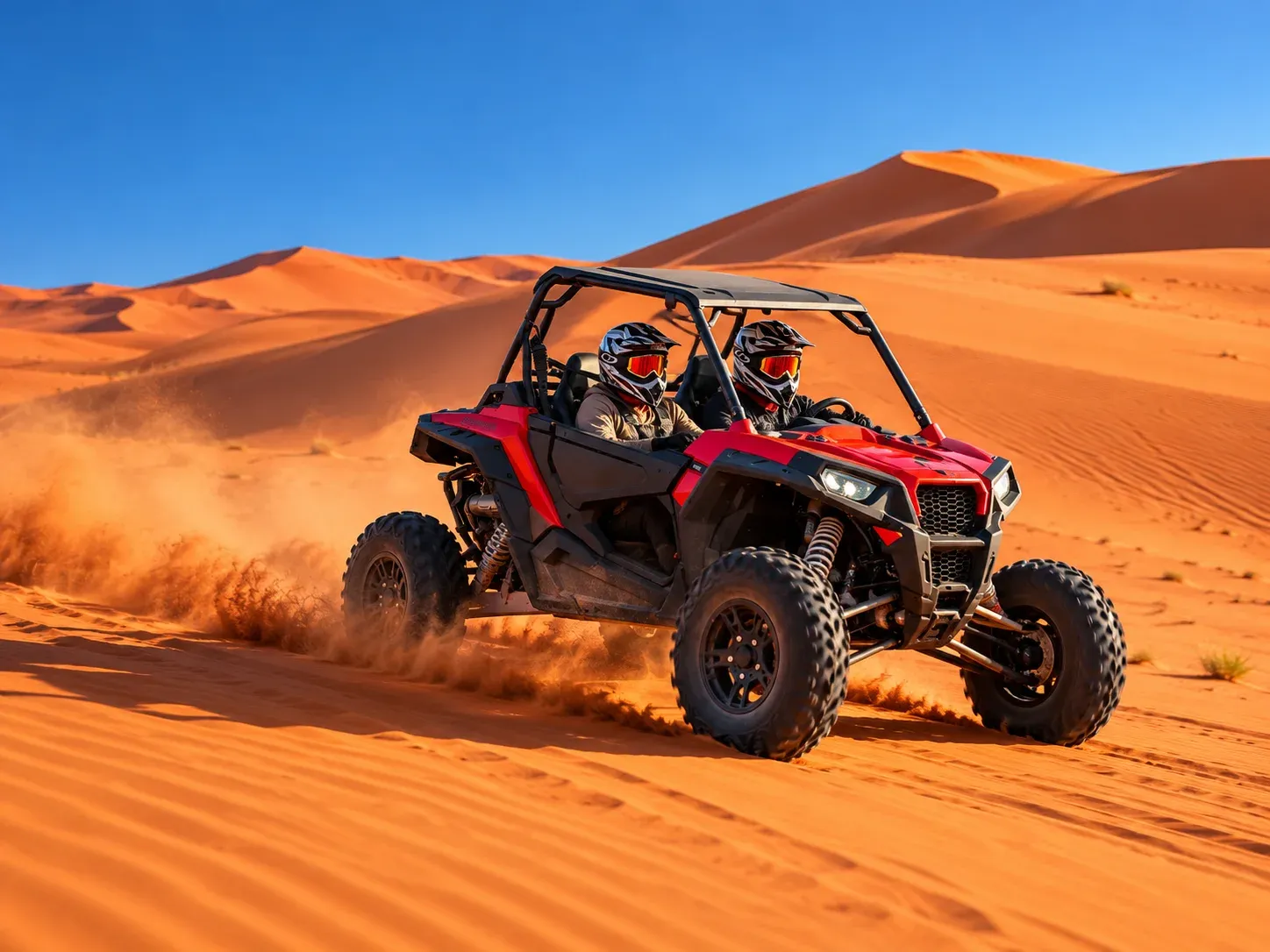
The appeal of a dune buggy is not just the engine. It is the whole setup around it. Check what kind of vehicle is being offered and what equipment comes with the ride. A useful booking conversation includes safety gear, route style, group size and whether the session follows a guided tour or allows more independent driving.
When comparing options for polaris dune buggy dubai, focus on the experience rather than the name alone. Ask whether helmets are provided, whether they are cleaned between uses, and whether gloves or other basic items are included. If riders wear glasses, ask how the helmet fits over them. If hair is long, think about how it will be secured. Small comfort details often decide whether someone enjoys the ride.
Ask about the condition and type of safety gear without turning the conversation into an inspection. A reputable setup should be able to explain what is supplied and what riders should bring. Closed footwear, comfortable clothing and sun protection are sensible choices for a desert outing. Loose scarves, dangling jewellery and flip-flops are poor choices around any moving vehicle.
Another point to check is whether the ride includes a briefing. A short briefing is not a formality. It should cover hand signals, stopping, following distance, what to do if the vehicle stalls, and how riders should behave near other vehicles. Sand changes constantly, and a route that looks open can still have blind crests and soft patches. Clear instructions help everyone stay predictable.
Route, terrain and time of day
Not all desert rides feel the same. Some are built around gentle stretches of sand and photo stops. Others involve steeper dunes, tighter turns and faster sections. Before booking, ask what kind of terrain is expected and how long the driving portion lasts. The words used in a listing can be vague, so request a plain description in terms a beginner can understand.
The time of day is equally important. Midday heat can make even a short ride tiring, while late afternoon light changes the feel of the dunes and the temperature. If the outing includes a desert safari, check how much time is spent driving versus waiting for other activities. A long package may sound good value, but it can feel drawn out for children or for anyone who dislikes heat.
Weather can affect the plan. Wind can lift sand and reduce visibility, and recent conditions can change the firmness of the surface. If the weather looks unsuitable, ask what happens rather than hoping for the best. A clear policy about rescheduling or changing the route is far better than a vague promise on the day.
Safety, supervision and emergency planning
Safety is not only about helmets. It is also about how the ride is supervised. Check whether guides stay with the group, how they communicate with drivers, and what happens if someone separates from the group. In a wide desert area, the difference between a relaxed ride and a stressful one often comes down to organisation.

Ask what support is available if a vehicle stops or a rider feels unwell. This does not need to be a dramatic question. It is a normal part of planning any activity in a remote setting. A clear answer should include who to approach, how the group regroups, and what the rider should do if they need to stop. Avoid any situation where guests are told simply to follow without being told what to do if plans change.
Personal responsibility still matters. Stay within the stated route, keep a safe distance from other vehicles, and never try to test a dune on your own. Sand can hide dips, hard patches and unexpected edges. If a vehicle feels unstable, slow down and signal rather than trying to correct the problem aggressively. Mechanical or safety faults should be reported to the guide and left to qualified staff, not adjusted by riders.
Booking terms, inclusions and hidden gaps
Before paying, read the booking terms with the same attention you would give to any travel reservation. Check what is included in the quoted ride and what costs extra. Transfers, entry fees, meals, photography, insurance arrangements and optional activities may be handled separately. The aim is not to chase the lowest figure, but to know exactly what the day covers.
Cancellation and late arrival rules deserve a close look. Desert schedules can be tied to daylight, weather and other activities, so arrival time may affect the whole outing. Ask what happens if you are late, if the weather disrupts the ride, or if a member of the group cannot take part. Clear answers at the booking stage are easier to handle than assumptions made under pressure.
If the booking includes transport, confirm the pickup arrangement and whether it suits your accommodation. If you are meeting at a starting point, check that you understand the location and timing. This is especially useful when travelling with children, older relatives or anyone who needs extra time to get ready.
Comfort, fitness and personal limits
A dune buggy ride is more physical than many visitors expect. The vehicle may bounce, dust can be noticeable, and long stretches of rough ground can tire the hands, arms and back. Anyone with a back problem, neck issue, pregnancy or a medical condition should seek suitable advice before booking. It is better to choose a gentler outing than to push through discomfort.
Think about the group as a whole. One confident driver does not mean everyone will enjoy the same pace. If there are mixed comfort levels, ask whether the route can be adjusted or whether a shorter option makes more sense. A calm ride with clear stops often creates better memories than a fast one that leaves part of the group tense.
Photography is another practical point. Phones and cameras can collect dust quickly, so keep them protected when not in use. Secure loose items before the vehicle moves. Sunglasses with a strap can be useful, and a small amount of water before and after the ride helps with comfort in the heat. These are ordinary travel habits, but they make the outing smoother.

Questions worth asking before you confirm
A few direct questions can clear up most uncertainty. Ask them before payment, and keep the answers in writing where possible. If a response is vague, treat that as useful information rather than a minor detail.
- Who is allowed to drive, and what licence or age rules apply?
- What safety gear is supplied, and what should riders bring?
- Is the ride guided, and how strict is the route?
- What happens if weather, lateness or a vehicle issue changes the plan?
- Which parts of the package are included, and which are separate?
The right choice depends on the kind of day you want. A short, guided ride may suit a first visit, while a longer outing may appeal to people who already know how rough desert terrain feels. Some travellers want the full desert safari atmosphere, with other activities around the driving session. Others prefer the vehicle ride to be the main event.
Make the final decision after comparing comfort, rules, route and timing, not just the promise of speed. A dune buggy can be a memorable way to see the Dubai desert, but it works best when expectations match reality. Clear answers before booking make the day easier to enjoy, from the first briefing to the last stretch of sand.